Solid State Drives (SSD)
Solid State Drives (SSDs) are high-performance storage devices that use flash memory to store data, unlike traditional Hard Disk Drives (HDDs) that rely on spinning disks and mechanical parts. By eliminating moving components, SSDs deliver significantly faster read and write speeds, lower latency, and improved durability. They are widely used in personal computers, enterprise servers, and data centers, offering a balance of speed, efficiency, and reliability for modern workloads.
One of the key advantages of SSDs is their ability to dramatically improve system performance. They enable faster boot times, quicker application loading, and enhanced overall responsiveness compared to HDDs. Additionally, SSDs consume less power, produce minimal heat, and are more resistant to physical shocks, making them ideal for both portable devices and critical server environments. Their compact form factors, such as M.2 and U.2, also allow greater flexibility in designing high-performance computing systems.
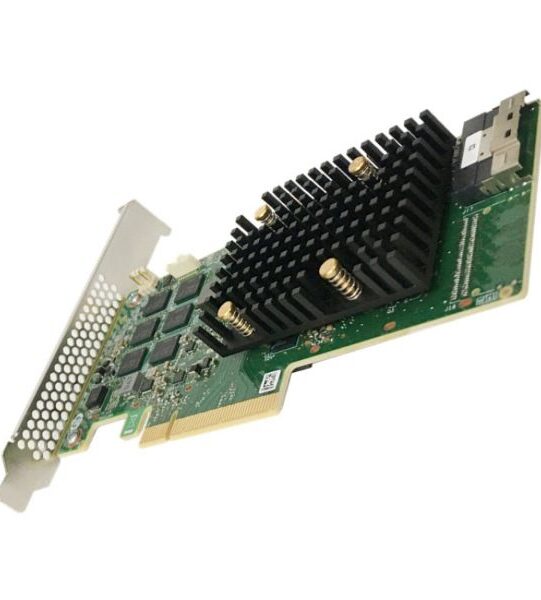
In enterprise IT, SSDs are essential for handling demanding workloads such as virtualization, big data analytics, and high-frequency trading. When paired with advanced storage controllers or deployed in all-flash arrays, they provide unmatched input/output operations per second (IOPS) and reliability. While traditional HDDs remain cost-effective for bulk data storage, SSDs have become the standard for primary storage where speed, efficiency, and resilience are critical.
Contact
Protecting What Matters
Ensure your critical data is always secure, accessible, and ready when needed.
Brochures
LTO Tape Cartridges
Barcode Labels for Tapes
Storage Controller (RAID)
Hard Disk Drives (HDD)
Vendor Partners